When it's 115°F outside and your AC fails, the results can be life-threatening in Arizona. Your HVAC system works harder than almost any other in the country during Phoenix summers. Here are five maintenance tasks that will keep your system running when you need it most.
1. Change Your Air Filters Every 30 Days in Summer
During peak Arizona summer, your system runs almost 24/7. Standard recommendations say to change filters every 90 days, but that's for a system running 8–10 hours a day. In Phoenix summers, you should replace filters every 30 days—or even more frequently if you have pets or allergies.
A clogged filter doesn't just reduce air quality—it restricts airflow, causes the evaporator coil to ice up, and forces the system to work much harder. This accelerates wear on the compressor and can lead to complete system failure on the hottest days.
2. Clean the Outdoor Condenser Unit Coils
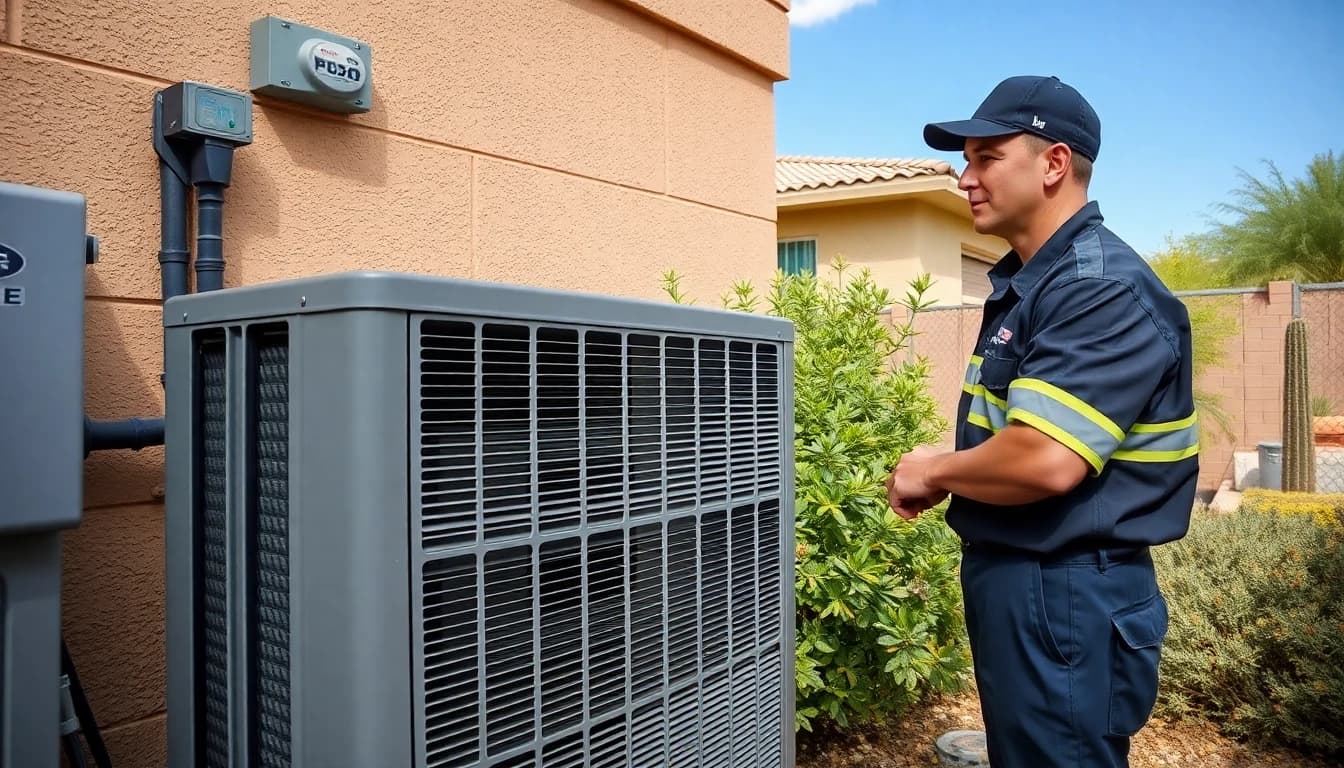
Phoenix's desert environment means your outdoor unit is constantly battling dust, dust devils, and monsoon debris. The condenser coils are responsible for releasing heat from your home to the outside air. When they're coated in dust and grime, heat transfer becomes inefficient.
Clean the coils at the start of summer and again after monsoon season:
- Turn off power to the unit at the disconnect box
- Rinse coils from inside out with a garden hose (low pressure)
- Remove any debris from around the unit—maintain 2 feet of clearance
- Straighten any bent fins with a fin comb
If coils are heavily soiled, use a commercial coil cleaner or call a professional.
3. Check and Clean the Condensate Drain
Arizona's monsoon season (July–September) brings dramatically higher humidity. During this period, your AC removes significant moisture from the air, which drains through the condensate line. Algae and mold love to grow in these lines.
A clogged condensate drain can cause water damage to your home and trigger your system's safety shutoff. Flush the drain line monthly during monsoon season with a cup of diluted bleach (1 part bleach, 10 parts water) to prevent clogs.
4. Schedule a Pre-Summer Professional Tune-Up
Before temperatures spike in May, have a licensed HVAC tech perform a full system check. This should include:
- Checking refrigerant levels (low refrigerant is the #1 cause of summer AC failures)
- Inspecting electrical connections and contacts
- Lubricating moving parts
- Testing capacitors and contactors
- Checking thermostat calibration
In Arizona, HVAC technicians book up fast in May. Schedule your tune-up in March or April to avoid the rush.
5. Protect Your System During Monsoon Season
Arizona's summer monsoons bring powerful dust storms (haboobs), lightning, and flooding. Protect your outdoor unit with these precautions:
- Never cover a running unit during a dust storm—it needs airflow
- After a major storm, inspect for debris and clean if necessary
- Install a surge protector or whole-home surge protection
- Ensure the unit is on a solid pad that won't shift with flooding
When to Repair vs. Replace
Arizona's brutal summers put 2–3 years of extra wear on HVAC equipment compared to milder climates. If your system is over 10 years old, consider this: the cost of repairs plus reduced efficiency often exceeds the cost of a new, more efficient system within 2–3 years.
HVAC Comfort Supply stocks a full range of replacement systems—mini-splits, split systems, and package units—with same-day pickup available. Our team can help you evaluate whether repair or replacement makes more financial sense for your situation. Call us at 602-755-1962.